

IML Product Basics

In the manufacturing process of cosmetic packaging materials, in-mold labels combine labeling with the molding manufacturing process, offering advantages such as good output performance, cost-effectiveness, and environmental friendliness. Their popularization has replaced labeling machines, reduced manufacturers' production costs, and is well-received by the market. In this article, we will learn about the printing and material selection of in-mold labels, for the reference of procurement friends in the Youpin community.
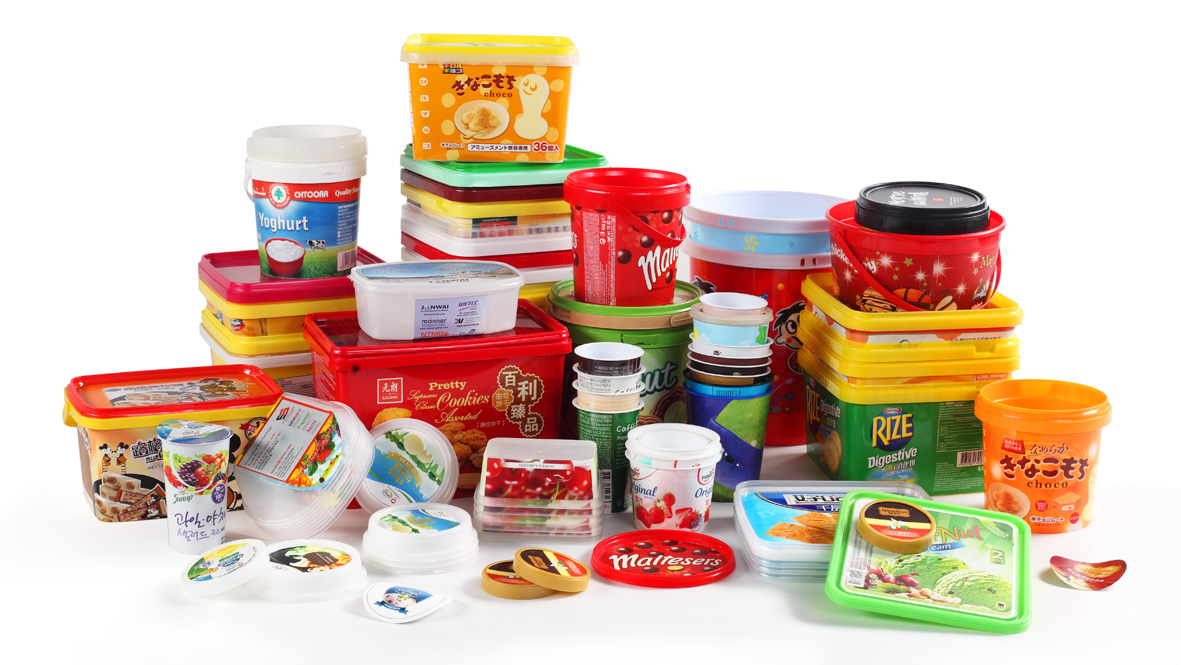
In-mold label (abbreviated as IML) refers to pre-printed paper, synthetic, or film labels coated with a special hot-melt adhesive on the back, which are placed inside the mold before plastic blow molding, injection molding, or thermoforming to produce plastic bottles or containers. The label and container form an integrated whole, with the label and bottle body essentially on the same plane — no label edges are visible, as if the graphics and text were directly printed on the bottle body surface. With in-mold labels, a labeling machine is no longer needed.
Article Source: Online Platform
Disclaimer: The content and images contained herein are sourced from public channels such as the Internet and WeChat official accounts. We maintain a neutral stance toward the viewpoints expressed in this article, which is for reference and exchange only. The copyright of republished articles belongs to the original authors and institutions. If there is any infringement, please contact us for removal.

- < Previous : [Tech]IML Process: Elect
- [Tech]Two-Color Injectio : Next >

- Stock Code
838363

- +86 186 6517 1961
+86 186 6687 8722
-




- Chat
- Top